And I will put enmity
between you and the woman,
and between your offspring and hers;
he will crush your head,
and you will strike his heel.”
GENESIS 3:15
Genesis 3:15, often referred to as the “protoevangelium” (the first gospel), is considered a pivotal verse in Christianity. Here’s how it’s seen as a key message of the Bible:
- The Promise of Redemption:
- This verse introduces the concept of a redeemer, a figure who will ultimately overcome the consequences of humanity’s fall from grace.
- It offers hope that despite the entrance of sin and suffering into the world, God has a plan for restoration.
- The Conflict Between Good and Evil:
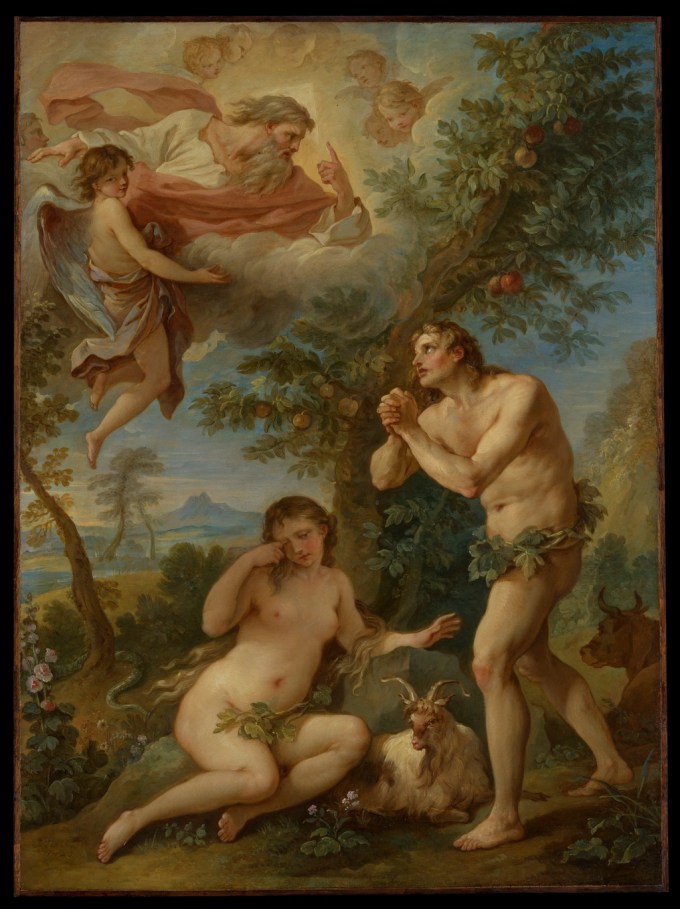
- It establishes a fundamental conflict between good and evil, represented by the “woman’s seed” (often interpreted as Jesus Christ) and the serpent (often interpreted as Satan).
- This conflict is seen as ongoing throughout human history.
- The Nature of the Struggle:
- The verse describes the struggle as a difficult one, with both victory and suffering. The “seed of the woman” will “crush” the serpent’s head, signifying ultimate victory, but will also experience a “strike to the heel,” indicating suffering and sacrifice.
- A Foundation for Christian Theology:
- Genesis 3:15 provides a foundational framework for key Christian doctrines, including:
- The fall of humanity
- The need for redemption
- The person and work of Jesus Christ
- The eventual triumph of good over evil
- Genesis 3:15 provides a foundational framework for key Christian doctrines, including:
1. The “Seed” of the Woman:
- Not just physical offspring: While “seed” can refer to physical descendants, it’s understood to have a deeper, spiritual meaning in this context.
- A specific individual: Christian theology interprets the “seed of the woman” as specifically referring to Jesus Christ. This is supported by other Old Testament passages that point towards a coming Messiah.
- Humanity as a whole: The “seed of the woman” can also be seen as representing all of humanity who believe in and follow Jesus Christ.
2. The “Serpent” and its Meaning:
- Satan: The serpent is often interpreted as a personification of Satan, the adversary of God.
- Evil and Temptation: It represents the forces of evil, temptation, and sin that work against God’s plan for humanity.
3. The Nature of the Conflict:
- Not a simple victory: The verse doesn’t promise an easy or immediate victory. It acknowledges the reality of suffering and struggle in the ongoing battle between good and evil.
- Christ’s Sacrifice: Jesus’s life, death, and resurrection are seen as the ultimate fulfillment of this prophecy. He faced suffering and death (“bruised heel”) but ultimately triumphed over sin and death (“crushing the serpent’s head”).
4. Implications for Human Life:
- Hope in the Face of Evil: Genesis 3:15 offers hope that despite the presence of evil and suffering, God’s ultimate plan will prevail.
- The Call to Follow Christ: It emphasizes the importance of aligning oneself with God and resisting the temptations of evil.
- The Promise of Redemption: It points towards the possibility of reconciliation with God and the hope of eternal life.
Genesis 3:15 is a profound and multifaceted verse that offers a glimpse into the core themes of Christian theology: the fall of humanity, the need for redemption, the person and work of Jesus Christ, and the ongoing struggle between good and evil.
Genesis 3:15 provides a glimpse of God’s plan of redemption, offering hope for humanity’s restoration and ultimately pointing towards the coming of Jesus Christ.
Discover more from Faithful Inspiration
Subscribe to get the latest posts sent to your email.
 Faithful Inspiration