This is the final post in a series of 3, on why we need to forgive.
In Part 1 we looked at why we should forgive and the benefits of doing so.
In Part 2 we discussed what forgiveness was not and the challenges of forgiveness.
Now we will consider examples of others who have forgiven in the Bible.
We will also discuss the practicalities of how to forgive.
And finally we will look at the importance of self-forgiveness.
Good Forgivers
There are some incredible Biblical role models of individuals who demonstrated remarkable forgiveness:
1.Joseph:
5 When Joseph’s brothers saw that their father was dead, they said, “What if Joseph holds a grudge against us and pays us back for all the wrongs we did to him?” 16 So they sent word to Joseph, saying, “Your father left these instructions before he died: 17 ‘This is what you are to say to Joseph: I ask you to forgive your brothers the sins and the wrongs they committed in treating you so badly.’ Now please forgive the sins of the servants of the God of your father.” When their message came to him, Joseph wept.
18 His brothers then came and threw themselves down before him. “We are your slaves,” they said.
19 But Joseph said to them, “Don’t be afraid. Am I in the place of God? 20 You intended to harm me, but God intended it for good to accomplish what is now being done, the saving of many lives. 21 So then, don’t be afraid. I will provide for you and your children.” And he reassured them and spoke kindly to them.
GENESIS 50:15-21
Amazingly Jospeh forgave his brothers who sold him into slavery . He understood God’s will and purpose. He even “wept for his brothers,” showcasing the depth of his compassion.
2. Mary, Mother of God:
26 When Jesus saw his mother there, and the disciple whom he loved standing nearby, he said to her, “Woman, here is your son,”
JOHN 19:26
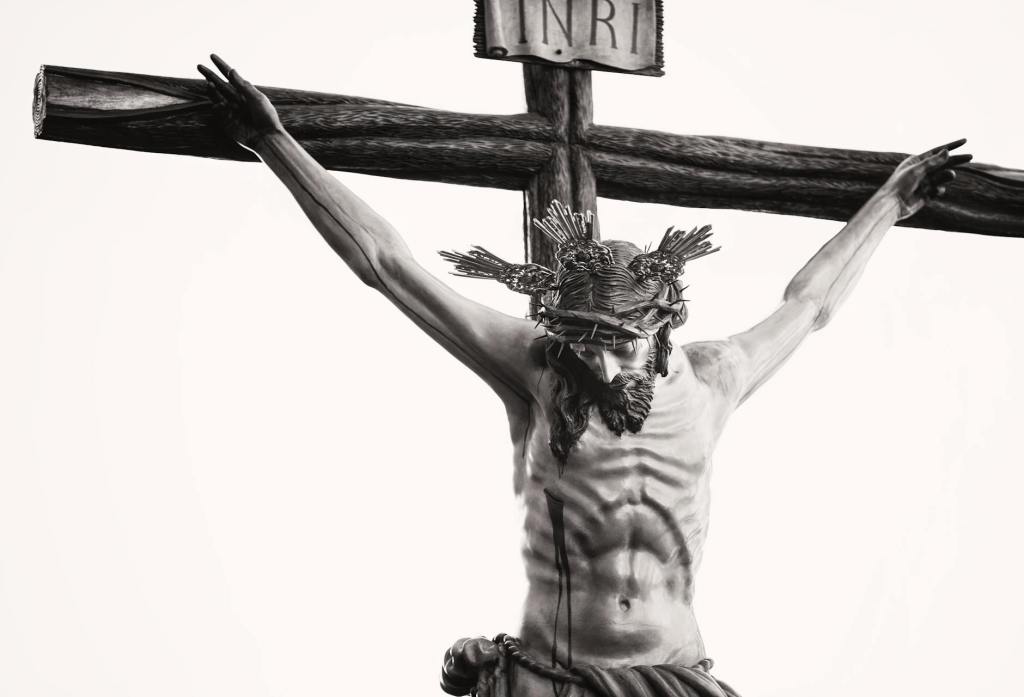
Mary forgave those responsible for her son’s crucifixion and accepted Jesus’ command to move on and embrace John as her son.
3. Prodigal Son:
21 “The son said to him, ‘Father, I have sinned against heaven and against you. I am no longer worthy to be called your son.’
22 “But the father said to his servants, ‘Quick! Bring the best robe and put it on him. Put a ring on his finger and sandals on his feet. 23 Bring the fattened calf and kill it. Let’s have a feast and celebrate. 24 For this son of mine was dead and is alive again; he was lost and is found.’ So they began to celebrate.
LUKE 15: 21-24
The parable of the Prodigal Son illustrates the father’s unconditional forgiveness.
How to Forgive
It’s hard.
We can’t do it alone.
So how do we forgive others?
We need God.
1. Pray for God’s Help:
Recognise the need for divine assistance, particularly when forgiveness feels impossible.
2. Prayer as Demonstration of God’s Forgiveness:
Acknowledge that forgiveness originates from God and seek his guidance in extending it to others.
If we focus on the wonderful forgiveness God has shown us, we should more easily want to please him in gratitude and love and forgive others as he commands.
3. Jesus’ Example and The Jesus Prayer:
Draw inspiration from Jesus’ constant prayer and use the Jesus Prayer as a tool for seeking mercy and softening our heart:
“Lord Jesus Christ,
Son of God,
have mercy on me,
a sinner.”
Meditate on the word of God.
4. Pray for the Holy Spirit’s Intervention:
Request the Holy Spirit’s aid in transforming the heart towards forgiveness.
5. Persistent Prayer:
Continuously pray until a genuine feeling of forgiveness emerges, characterised by “wellbeing, peace and love towards all.”
Self-Forgiveness
The importance of self-forgiveness is paramount.
God used many people in the Bible to illustrate how he can change the worst of sinners into the best of men ready to carry out his will. They are metamorphosed from their life of sin and allow themselves to undergo such a radical transformation, they leave self-flagellation behind.
1. Moses:
Described as “the most humble man that ever lived,” despite having committed murder.
He went on to lead the Israelites out of slavery.
2. Peter:
15 When they had finished eating, Jesus said to Simon Peter, “Simon son of John, do you love me more than these?”
“Yes, Lord,” he said, “you know that I love you.”
JOHN 21:15
Jesus forgave Peter for denying him, asking “Do you love me Peter?” three times, to reinstate Peter and cancel the three times he denied he knew Jesus at the crucifixion.
Peter went on to be a great disciple of the Lord. If Peter had carried the burden of guilt and regret and self remorse he would not have been free to spread the Gospel as he did.
3. Paul:
Despite his past as a persecutor of Christians, Paul received God’s forgiveness and became a devoted apostle.
Paul referred to himself as “the worst of sinners, the lowliest of saints.” But he did not live in remorse and regret. He forgave himself and was truly joyful in the fruit of the Holy Spirit and evangelised to the Gentiles, far and wide.
If we do not forgive ourselves we can sink into despair which can ultimately lead to suicide. Judas Iscariot is a terrible warning to us all.
The message is clear.
Learn to forgive.
Forgive others.
and forgive yourself.
Let us pray:
FATHER GOD HELP IS TO FORGIVE . HELP US TO SEEK YOU IN PRAYER. HELP US TO FORGIVE OTHERS AND OURSELVES. IN JESUS MIGHTY NAME WE PRAY. AMEN.
Discover more from Faithful Inspiration
Subscribe to get the latest posts sent to your email.
 Faithful Inspiration